Health
Hydrahd.hs: Understanding the Platform, Purpose, and Online Risks


In recent years, many users have searched for unfamiliar domains while looking for online entertainment. One such term gaining attention is hydrahd.hs. People searching for this keyword are often trying to understand what the site is, why it appears in search results, and whether it is safe or reliable to use. This article provides a clear, informational overview of hydrahd.hs, focusing on awareness rather than promotion.
What Is Hydrahd.hs?
Hydrahd.hs appears to be a website name that users commonly associate with online video or digital media content. The exact nature of the platform may vary over time, as such domains often change structure, content focus, or availability.
In most cases, users encounter hydrahd.hs while searching for movies, shows, or downloadable digital content. Because of this, it often raises questions related to safety, legitimacy, and usability.
Why Are People Searching for Hydrahd.hs?
There are several common reasons behind searches for hydrahd.hs.
Curiosity After Seeing the Name Online
Some users come across the domain through shared links, pop-ups, or discussions on forums and want to know what it is.
Searching for Entertainment Content
Many users associate the site name with streaming or downloadable media and look it up to understand its offerings.
Safety and Trust Concerns
Others search hydrahd.hs to check whether the site is safe, legal, or worth visiting.
How Platforms Like Hydrahd.hs Usually Operate
Websites with similar naming patterns often function as content-hosting or content-indexing platforms. They may display embedded videos, third-party links, or media players.
These platforms typically rely on high traffic volume rather than long-term brand trust. As a result, their structure and availability may change frequently.
Potential Risks Associated With Hydrahd.hs
Security Risks
Sites like hydrahd.hs may contain intrusive ads, pop-ups, or redirects. These can expose users to unwanted software or misleading content.
Data Privacy Concerns
Unverified platforms may collect user data without clear privacy policies. This can put personal information at risk.
Inconsistent Availability
Domains like hydrahd.hs may go offline suddenly or change addresses, making them unreliable for consistent use.
Legal and Ethical Considerations
Digital content laws vary by region, but accessing copyrighted material without proper authorization can raise legal concerns. Users should be aware that some platforms may not have the rights to distribute the content they display.
Understanding local regulations and respecting content ownership is important for responsible internet use.
How to Stay Safe Online
If users encounter hydrahd.hs or similar websites, basic digital safety practices are essential.
Avoid Sharing Personal Information
Do not enter email addresses, passwords, or payment details on unverified platforms.
Use Updated Browsers and Security Tools
Modern browsers and security software help detect potentially harmful sites.
Be Cautious With Downloads
Downloading files from unknown sources increases the risk of malware or corrupted data.
Alternatives to Consider
Instead of relying on unknown platforms, users may benefit from exploring established and legitimate digital services. These platforms typically offer better quality, reliability, and user protection.
Legal services also provide customer support, consistent access, and clearer usage terms.
Why Awareness Matters
Understanding platforms like hydrahd.hs helps users make informed decisions. Awareness reduces the risk of exposure to unsafe content and promotes healthier digital habits.
Search engines prioritize informational content that educates users rather than encouraging risky behavior. This makes awareness-focused articles increasingly important.
Common Misunderstandings
Some users assume that all websites offering free content are safe. In reality, free access does not always mean secure or legal.
Another misconception is that lesser-known domains are harmless. Unknown platforms often carry higher risks due to lack of transparency.
Conclusion
Hydrahd.hs is a term that has attracted online attention due to curiosity, entertainment searches, and safety concerns. While users may encounter the site while browsing the web, it is important to approach such platforms with caution. Understanding potential risks, prioritizing online safety, and choosing reliable digital services can help users protect their data and enjoy a safer internet experience.

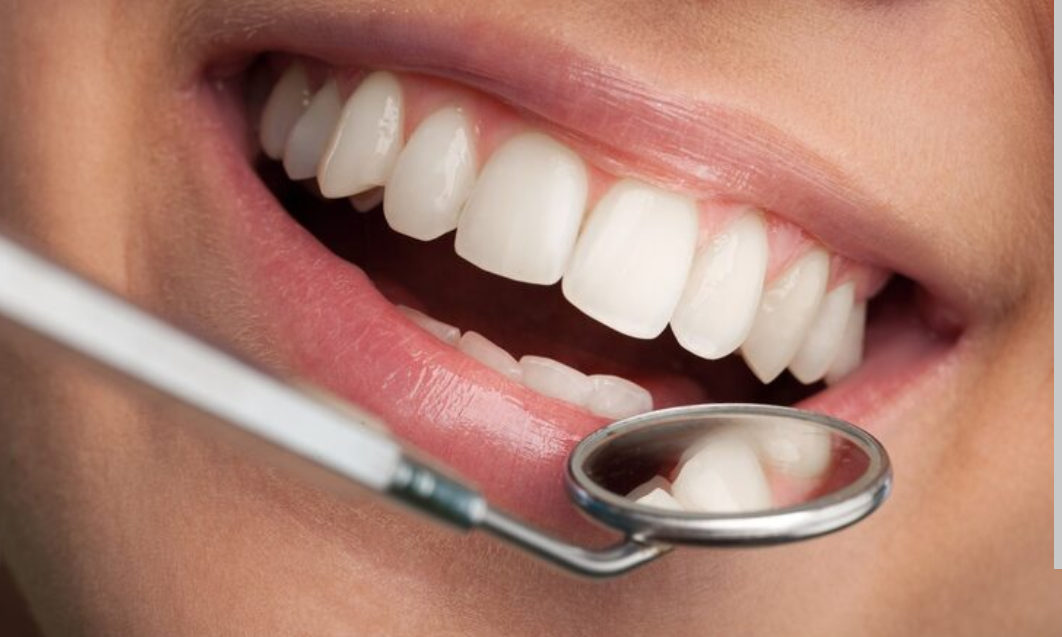
Wisdom teeth are a common topic during the teenage years and early adulthood. Many people hear stories about pain, surgery, or swelling and wonder what to expect themselves. If you’re asking when do your wisdom teeth come in, this guide explains the timeline, symptoms, and what to do when they start appearing.
Understanding wisdom teeth early can help you stay calm and prepared.
What Are Wisdom Teeth?
Wisdom teeth are the third set of molars located at the very back of your mouth. Most people have four wisdom teeth—two on the top and two on the bottom.
They are called “wisdom” teeth because they usually appear when a person is older and more mature than when other teeth come in.
Not everyone develops all four wisdom teeth, and some people never get them at all.
When Do Your Wisdom Teeth Come In?
For most people, wisdom teeth come in between the ages of 17 and 25. This age range is considered normal, though some may notice them earlier or later.
Here’s a general timeline:
- Ages 13–16: Wisdom teeth begin forming under the gums
- Ages 17–21: Most common time for wisdom teeth to erupt
- Ages 22–25: Late eruption for some people
- After 25: Less common, but still possible
If you’re in your teens and haven’t felt anything yet, that’s completely normal.
Why Do Wisdom Teeth Come In So Late?
Wisdom teeth are leftovers from early human diets, which required more chewing. Back then, larger jaws made room for extra teeth.
Today, our jaws are usually smaller. Because of that, wisdom teeth don’t have enough space and often come in late, crooked, or not at all.
This lack of space is why wisdom teeth often cause problems.
Signs Your Wisdom Teeth Are Coming In
You may notice certain symptoms when your wisdom teeth start to emerge. These signs can be mild or uncomfortable, depending on how your teeth are growing.
Common signs include:
- Soreness at the back of the mouth
- Swollen or tender gums
- Jaw stiffness
- Mild headache
- Trouble opening your mouth fully
These symptoms usually come and go as the teeth push through the gums.
Do Wisdom Teeth Always Cause Pain?
No, wisdom teeth do not always cause pain. Some people have wisdom teeth that grow in straight and cause no problems at all.
Pain usually happens when:
- There isn’t enough room in the jaw
- The tooth grows at an angle
- The tooth only partially comes through the gum
In these cases, food and bacteria can get trapped, leading to irritation.
What Is an Impacted Wisdom Tooth?
An impacted wisdom tooth is one that cannot fully emerge through the gum. This happens when the tooth is blocked by another tooth or bone.
There are different types of impaction:
- Vertical: Tooth grows straight but stays trapped
- Horizontal: Tooth grows sideways
- Angular: Tooth grows at an angle
Dentists monitor impacted teeth closely because they can affect nearby teeth.
How Do Dentists Know When Wisdom Teeth Are Coming In?
Dentists usually detect wisdom teeth through dental X-rays. Even if you can’t feel them, X-rays show whether the teeth are forming and how they are positioned.
Most dentists start checking for wisdom teeth during the teenage years. Early detection helps prevent future problems.
Regular dental visits are important during this stage of development.
Should Wisdom Teeth Always Be Removed?
No, wisdom teeth do not always need to be removed. If they are healthy, fully erupted, and easy to clean, dentists may leave them alone.
Removal is often recommended if wisdom teeth:
- Cause repeated pain
- Grow at an angle
- Damage nearby teeth
- Increase the risk of gum problems
Your dentist will decide based on your mouth, not just your age.
What Should You Do When Wisdom Teeth Start Coming In?
If you think your wisdom teeth are coming in, follow these simple steps:
- Maintain good brushing and flossing habits
- Rinse your mouth after meals
- Avoid poking the area with fingers or objects
- Schedule a dental checkup
Good oral care can reduce discomfort and prevent infection.
Can Wisdom Teeth Come In Without You Noticing?
Yes, some wisdom teeth come in so slowly and smoothly that people don’t notice them at all. This usually happens when there is enough space in the jaw.
Others may only discover their wisdom teeth during a routine dental X-ray.
Both situations are completely normal.
Final Thoughts: When Do Your Wisdom Teeth Come In?
So, when do your wisdom teeth come in? For most people, it’s between 17 and 25 years old, but every mouth is different. Some people feel discomfort, while others feel nothing at all.
The key is awareness. Knowing the signs and visiting your dentist regularly can help you manage wisdom teeth without stress.
If you’re unsure about what’s happening in your mouth, a dental checkup is always the best next step. Staying informed makes wisdom teeth much less intimidating.
Carbonated water has become a popular drink choice for people who want something fizzy without the sugar. You see it everywhere—at home, in schools, and at restaurants. But a common question keeps popping up: is carbonated water bad for your teeth?
The short answer is: it depends, but for most people, carbonated water is much safer than soda or juice. Let’s break it down clearly, simply, and honestly.
What Is Carbonated Water?
Carbonated water is plain water that has carbon dioxide gas added to it under pressure. This process creates bubbles and gives the water its fizzy feel.
Unlike soda, carbonated water usually has no sugar, no calories, and no artificial colors. Some versions are flavored, but many are just water and gas.
Why Do Dentists Talk About Acidity?
The main concern about carbonated water and teeth is acid.
When carbon dioxide mixes with water, it forms a weak acid called carbonic acid. Acids can soften tooth enamel, which is the hard outer layer that protects your teeth.
However, not all acids are equal. The acid in carbonated water is much weaker than the acid found in soda, sports drinks, or citrus juices.
Is Carbonated Water Bad for Your Teeth Compared to Soda?
This is where carbonated water gets a good reputation.
Studies show that plain carbonated water causes very little enamel damage, especially when compared to sugary sodas. Soda contains:
- Strong acids
- High amounts of sugar
- Ingredients that feed harmful mouth bacteria
Carbonated water has none of those things.
So, if you’re choosing between soda and carbonated water, carbonated water is clearly the better choice for your teeth.
What About Flavored Carbonated Water?
Flavored carbonated water can be a little tricky.
Some flavored versions include:
- Citric acid
- Natural flavorings
- Added acids for taste
These ingredients can lower the pH level, making the drink more acidic. That doesn’t mean flavored carbonated water is terrible, but it can be slightly harsher on enamel than plain sparkling water.
If you drink flavored versions often, it’s a good idea to:
- Check the ingredient list
- Avoid ones with added sugar
- Rinse your mouth with plain water afterward
Does Carbonated Water Cause Cavities?
Cavities are caused by bacteria feeding on sugar, not by carbonation itself.
Since plain carbonated water has no sugar, it does not directly cause cavities.
This is an important point. Many people worry about the bubbles, but bubbles don’t cause tooth decay. Sugar does.
How Much Carbonated Water Is Safe?
Moderation matters, even with healthy choices.
Drinking carbonated water daily is generally safe if:
- It’s plain (not sugary)
- You practice good oral hygiene
- You also drink still water
Dentists often suggest mixing carbonated water with regular water throughout the day to reduce acid exposure.
Tips to Protect Your Teeth While Drinking Carbonated Water
If you enjoy fizzy water, here are simple ways to keep your smile healthy:
- Drink it during meals instead of sipping all day
- Use a straw to reduce contact with teeth
- Rinse your mouth with plain water after
- Wait 30 minutes before brushing if your mouth feels acidic
These habits help protect enamel and keep teeth strong.
What Do Dental Experts Say?
Dental organizations agree that plain carbonated water is safe for teeth when consumed responsibly. According to guidance from professional dental associations, it is far less harmful than sugary or acidic drinks like soda and energy drinks.
You can learn more from trusted sources such as the American Dental Association:
https://www.ada.org
Is Carbonated Water Bad for Your Teeth in the Long Term?
For most people, the answer is no.
If you:
- Avoid sugary versions
- Maintain good brushing habits
- Visit the dentist regularly
Then carbonated water is unlikely to cause long-term dental problems.
Frequently Asked Questions (FAQs)
Is carbonated water bad for your teeth if you drink it every day?
Plain carbonated water is safe for daily use when balanced with regular water and good oral care.
Does sparkling water weaken enamel?
Only slightly, and far less than soda or juice.
Is flavored sparkling water worse than plain?
Yes, flavored versions may be more acidic, especially those with citric acid.
Can kids drink carbonated water safely?
Yes, plain versions are safe for kids, but sugary or acidic flavors should be limited.
Is carbonated water better than soda for teeth?
Absolutely. It has no sugar and much lower acidity.
Should I brush right after drinking sparkling water?
It’s better to wait about 30 minutes to protect enamel.
Conclusion: The Final Verdict
So, is carbonated water bad for your teeth?
For most people, no.
Plain carbonated water is a smart, tooth-friendly alternative to sugary drinks. When enjoyed in moderation and paired with good oral hygiene, it can fit safely into a healthy lifestyle—without harming your smile.
Oral health is an important part of overall well-being, especially during the teenage years when permanent teeth must last a lifetime. Many sugar-free gums, mints, and toothpastes contain a sweet ingredient called xylitol. This leads many people to ask: is xylitol good for your teeth?
In this article, we’ll explain what xylitol is, how it works, and whether it truly helps protect your teeth.
What Is Xylitol?
Xylitol is a natural sugar alcohol found in small amounts in fruits and vegetables. It is commonly extracted from plants like birch trees or corn.
Although it tastes sweet like sugar, xylitol has fewer calories and does not behave the same way in your mouth. This difference is what makes xylitol popular in dental care products.
You’ll often find xylitol in sugar-free gum, toothpaste, mouthwash, and mints.
Is Xylitol Good for Your Teeth?
Yes, research and dental experts agree that xylitol is good for your teeth when used properly. Unlike regular sugar, xylitol does not feed harmful bacteria in the mouth.
Instead of promoting cavities, xylitol helps reduce the number of cavity-causing bacteria and supports better oral health.
How Xylitol Helps Prevent Cavities
Cavities form when bacteria in the mouth break down sugar and produce acids. These acids weaken tooth enamel over time.
Xylitol works differently:
- Cavity-causing bacteria cannot use xylitol as food
- Acid production is reduced
- Bacteria growth slows down
With less acid attacking the teeth, enamel stays stronger and healthier.
Xylitol and Saliva Production
Another reason xylitol is good for your teeth is that it increases saliva flow. Saliva plays a major role in protecting teeth.
Saliva helps by:
- Washing away food particles
- Neutralizing acids
- Delivering minerals that strengthen enamel
Chewing xylitol gum after meals can boost saliva and help protect your teeth naturally.
Can Xylitol Strengthen Tooth Enamel?
Xylitol does not rebuild enamel directly, but it supports the conditions needed for enamel repair.
By reducing acid levels and increasing saliva, xylitol allows minerals like calcium and phosphate to return to weakened enamel. This process is known as remineralization.
Over time, this can help reduce early signs of tooth decay.
Xylitol vs Sugar: What’s Better for Teeth?
When comparing xylitol and sugar, xylitol is clearly the better choice for dental health.
Sugar:
- Feeds harmful bacteria
- Increases acid production
- Raises cavity risk
Xylitol:
- Starves cavity-causing bacteria
- Reduces plaque buildup
- Supports a healthier mouth
Replacing sugary snacks or gum with xylitol-based products can make a noticeable difference.
Is Xylitol Safe for Daily Use?
For most people, xylitol is safe when consumed in normal amounts. Dentists often recommend xylitol gum or toothpaste as part of a daily oral care routine.
However, consuming too much xylitol may cause mild stomach discomfort for some people. This usually happens only with excessive intake.
Using xylitol in dental products is generally considered safe and effective.
Best Ways to Use Xylitol for Dental Health
To get the most benefit, use xylitol in ways that support good oral hygiene.
Effective options include:
- Chewing xylitol gum after meals
- Using toothpaste that contains xylitol
- Choosing sugar-free mints with xylitol
- Rinsing with xylitol-based mouthwash
These habits work best when combined with brushing and flossing.
Does Xylitol Replace Brushing and Flossing?
No, xylitol is not a replacement for brushing and flossing. While it offers dental benefits, it should be seen as a helpful addition to your routine.
Proper oral care still includes:
- Brushing twice a day
- Flossing once daily
- Regular dental checkups
Xylitol simply adds extra protection against cavities.
Is Xylitol Good for Kids and Teens?
Yes, xylitol is commonly recommended for kids and teens because it helps reduce cavity risk during important stages of tooth development.
Many dentists suggest xylitol gum for teens who wear braces, as braces can trap food and increase plaque buildup.
As always, moderation and good hygiene are key.
Final Thoughts: Is Xylitol Good for Your Teeth?
So, is xylitol good for your teeth? The answer is yes. Xylitol helps reduce harmful bacteria, lowers acid levels, increases saliva, and supports a healthier mouth overall.
While it’s not a cure-all, xylitol is a smart addition to daily oral care. When combined with brushing, flossing, and dental visits, it can help protect your teeth and keep your smile strong for years to come.
Making small choices, like switching to xylitol-based products, can lead to big benefits for your dental health.